Powered by Blogger.

Ferrari

Monday, September 1, 2014

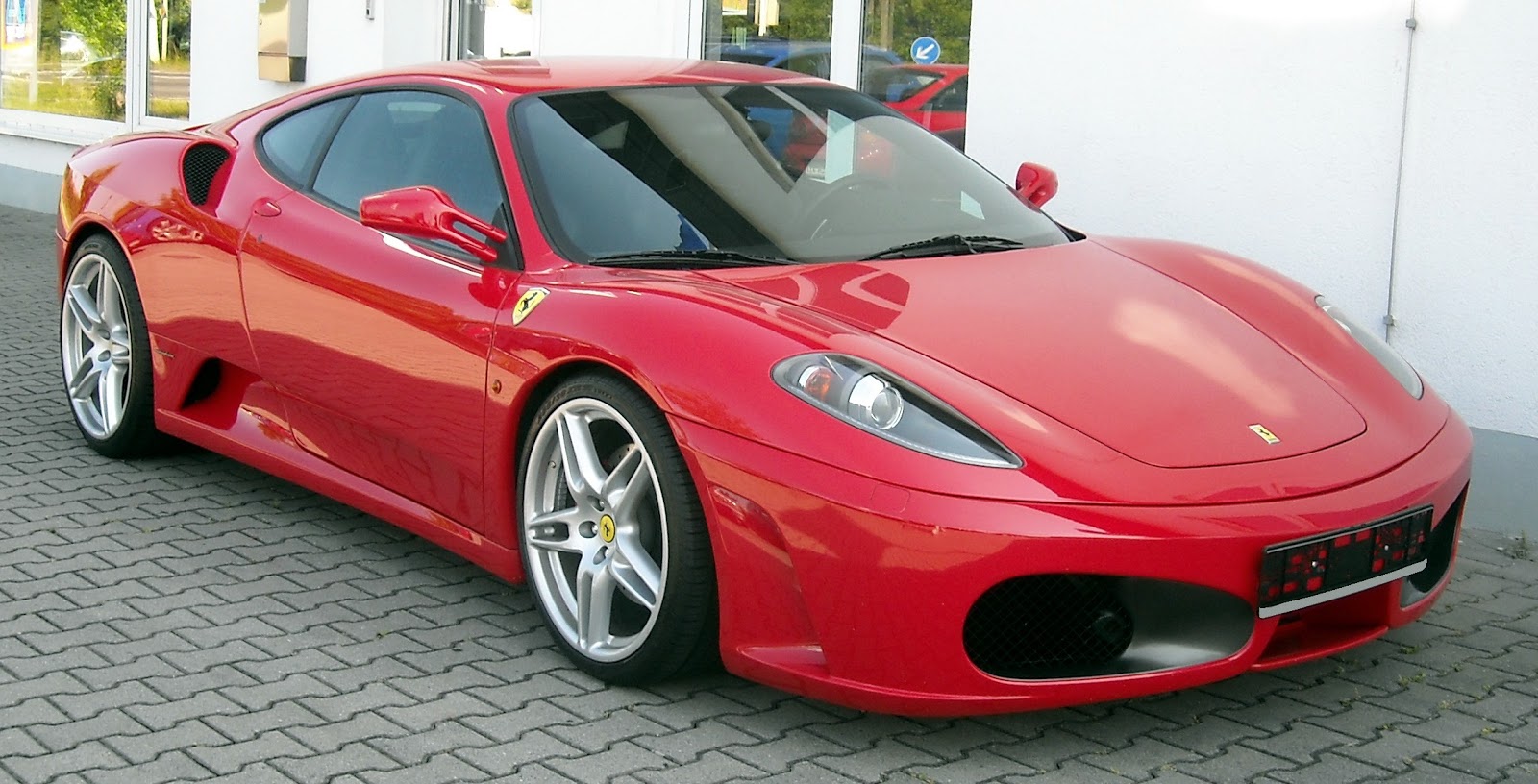
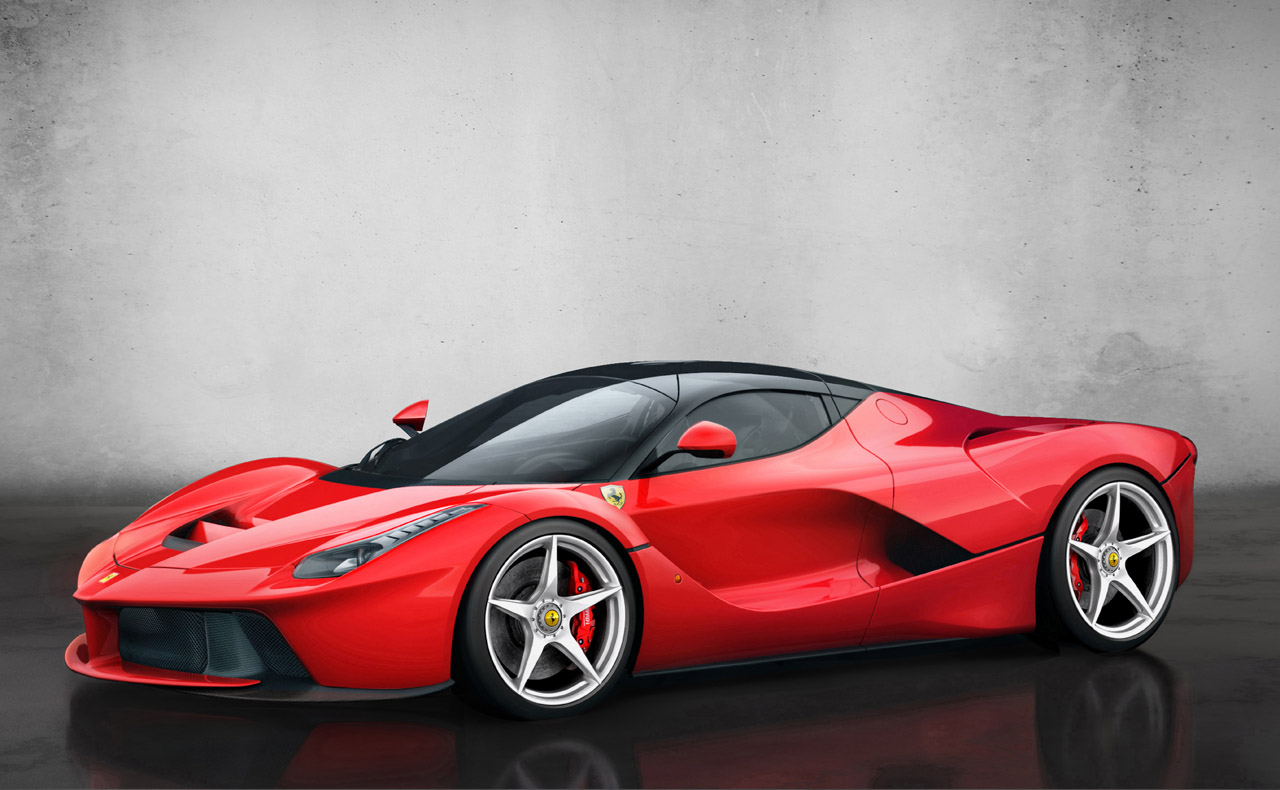
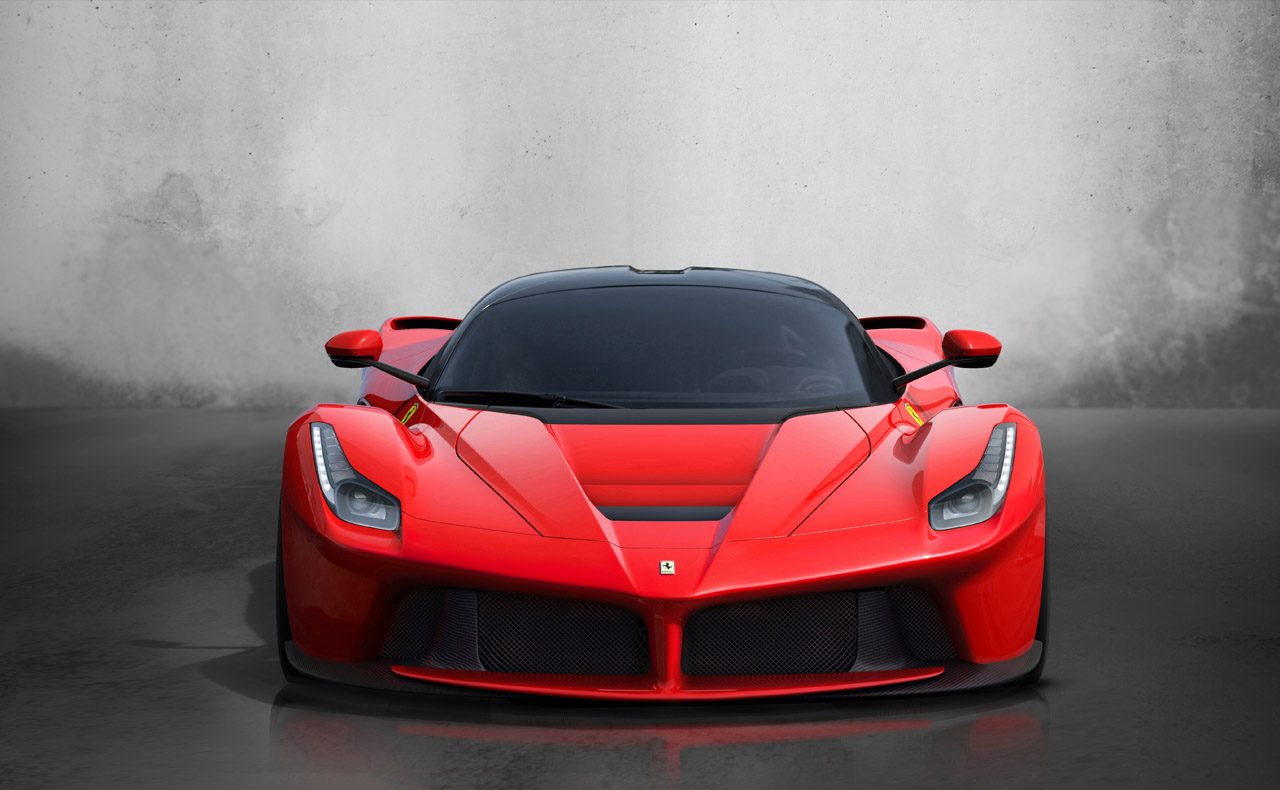
When Enzo Ferrari created his company Scuderia Ferrari in Italy in 1929 his intentions was to sponsor amateur race car drivers and invent racing cars, and it would take more than 15 years before Ferrari began to create their own road cars in 1946. Ferrari is still devoted to the creation of racing cars and high performance sports cars and do not create other types of cars. Scuderia Ferrari is still the widespread name for Gestione Sportiva, the part of the Ferrari company that works with racing. Scuderia is an Italian word and means "stable", but Scuderia Ferrari is sometime also translated as Team Ferrari.

During the early years, Scuderia Ferrari sponsored race car drivers that were driving Alfa Romeo cars. Scuderia Ferrari would prepare Alfa Romeo cars before the race, and in 1938 Enzo Ferrari became officially employed by Alfa Romeo's racing department. Two years later Enzo Ferrari found out that Alfa Romeo was planning to absorb Scuderia Ferrari, a plan which Enzo Ferrari strongly opposed. He instantly left his job at Alfa Romeo, but his contract restricted him from being involved with racing for several years. He changed Scuderia Ferrari into "Auto Avio Costruzioni Ferrari" and officially manufactured aircraft accessories for a few years. Enzo Ferrari did however create a race car during this restricted period. The Tipo 815 debuted at the Mille Miglia race in 1940, but the race was hampered due to World War II and Tipo 815 encountered no real competition. In 1943 Enzo Ferrari moved his factory to Maranello in Italy and one year later the factory was bombed. After the end of World War II, Enzo Ferrari rebuilt his factory and now the Ferrari factory was capable of construction road cars as well.

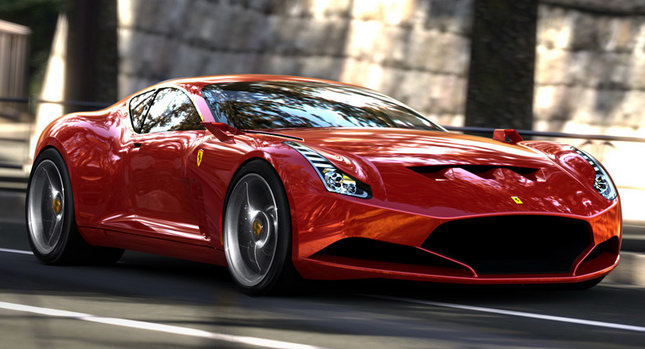
Ferrari constructed its first road car in 1947. The 1947 125 S Ferrari had a 1.5 L V12 engine and the whole car was considered very beautiful and well designed. Enzo Ferrari was still more interested in race cars and the Ferrari road cars was merely a way for him to fund his work with the Scuderia Ferrari. His distaste for the road car customers became famous and he even accused them of buying Ferrari cars only as status symbols. It is true that the Ferrari road cars grow to fame not only due to excellent performance but also thanks to their stylish elegance. Pininfarina, Bertone, Ghia, Scagliette, Touring and Vignale are all examples of design houses that have worked with Ferrari.
ferrari

ferrari

ferrari

ferrari

ferrari

ferrari

ferrari

ferrari

ferrari

ferrari

ferrari

ferrari

In November 1961 a dispute between Enzo Ferrari and his sales manager, Girolamo Gardini, turned into a crisis. Girolamo Gardini threatened to leave the company. Enzo Ferrari responded to the threat by throwing out Girolamo Gardini, and several employees who agreed with Girolamo Gardini were also ousted. Among them were Romolo Tavoni, manager for Scuderia Ferrari, Giotto Bizzarrini, the chief of the experimental sports car development, and Carlo Chiti, the chief engineer. This was naturally a huge loss for the Ferrari company and the crisis deepened when those who had been thrown out formed their own company - Automobili Turismo e Sport (ATS). ATS even managed to take over Scuderia Serenissima, a very successful racing team, from Ferrari.

A younger engineer, Mauro Forghieri, and an experienced racing bodyman, Sergio Scaglietti, assumed responsibility and tried to finish the projects that the leaving employees had left behind. One of the most important tasks was to finish the development of 250 GTO; a new 250-based model that could compete with the Jaguar E-type. The 250 GTO was finished in time to participate in the Sebring race and place itself first in class, driven by Phil Hill. Throughout 1962, the 250 GTO continued to win the races and it is still one of the most well known race cars in history. The crisis turned out to be something good for Ferrari and the 1960s became a very good decade for the company.

Until the 1980s when Ferrari began to use fuel injection in the road cars, the Ferraris were known as rather temperamental cars. They could be very unreliable, but would still attract a large group of dedicated fans that viewed this unpredictability as "character" rather than a problem. Today, FIAT controls 56 percent of the Ferrari stocks. The rest of stocks owned by Enzo's con Piero Ferrari and by Commerzbank, Mediobanca and the Lehman Brothers. Maranello is still the home town for Ferrari.

Audi Q7

If you are planning to buy the used car then go with the used Audi Q7 Car. Many of us thought that buying the used car will create negative impact on their status but buying a new luxurious car doesn't suit to their pockets. So to maintain your status in the society opt for the expensive used cars like the used Audi Q7 Car. Yes it is used by someone else, so what; still you can enjoy and experience the luxury ride with pride.

The Used Audi Q7 Car will offers you the same features as you get in the new one but in much affordable price. In other words you can say that "one arrow two targets" means the two purposes will be solved one is it's suits you budget and another is it's will retain your status. Well buying the Used Audi Q7 Car is the fruitful options for the rich people who are buy the cars just for their fetishes.

The used Audi Q7 car is available in the various variants such as Audi Q7 3.0 V6 TDI, Audi Q7 4.2 V8 TDI, Audi Q7 3.6 VR6 and the Audi Q7 4.2 FSI, and Audi Q7 5.0 V12 diesel. The some awesome features you may also get in the used Audi Q7 car are New Instrument Cluster, New Leather Seating, Ambient Door Lighting, New Trim, MMI Control System, Chrome Accents, Body Styling in the Front and Rear etc.
audi q7

audi q7

audi q7

audi q7

audi q7

audi q7

audi q7

audi q7

audi q7

Audi Q7 is ideal for five passengers who provide the comfortable ride with your friends and family on all those exciting off roads journeys. The Q7 car is give the similar performance whether it is be rain, snow or rocky roads. The car is truly amazing at every aspect. The Audi Q7 car will show off your sporty side too. Before buying the used Audi Q7 car take the trained car engineer along with you who will guide you for the right and perfect used car.

Audi A3

Audi launched the A3 in 1996, there has been two Audi A3 models both are based on VW Groups A platform, the same platform as Audi TT, VW Golf, VW Caddy,VW Touran as well as the Seat Leon, Seat Toledo and the Skoda Octavia.

The first generation of Audi A3

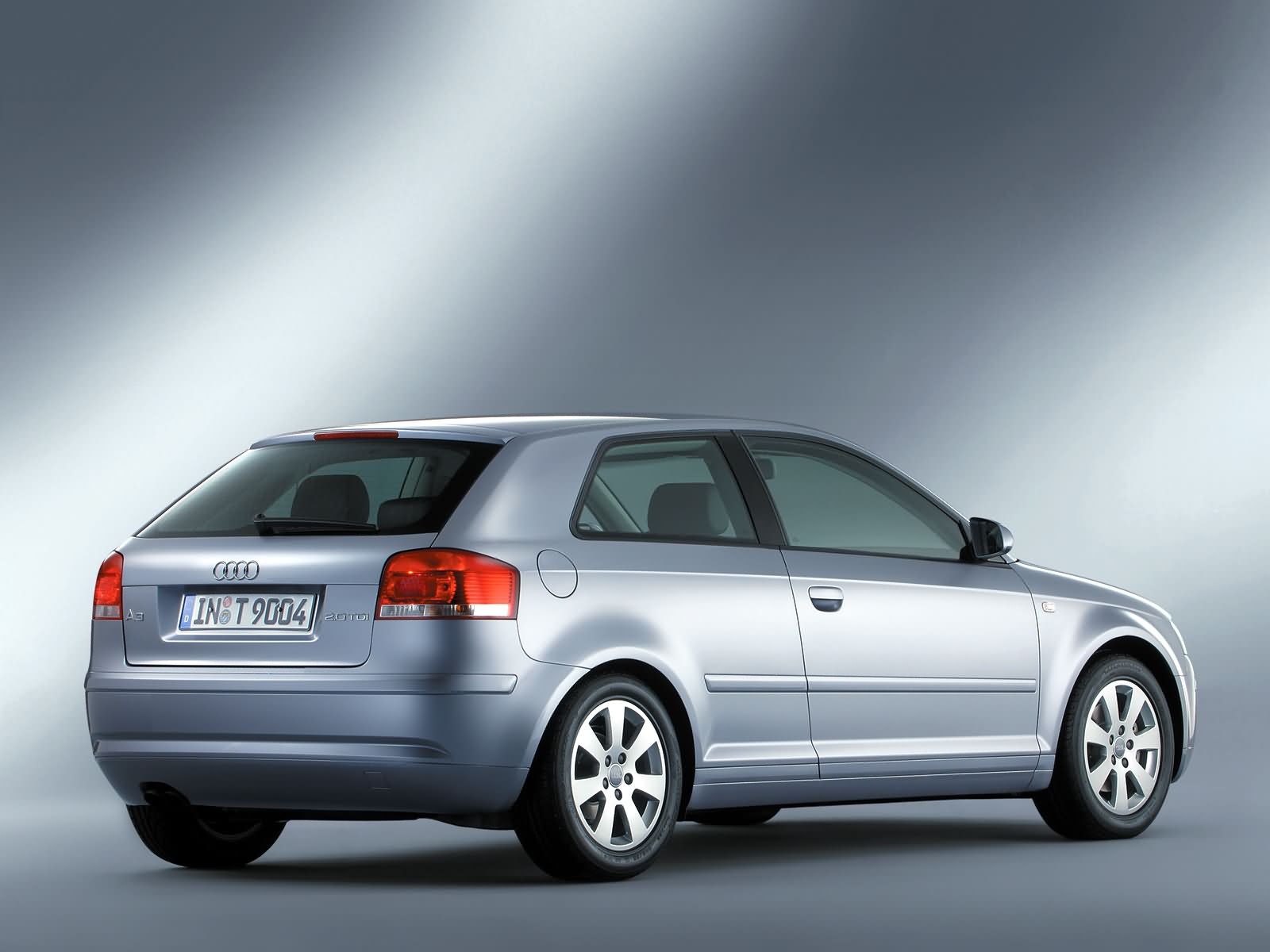
The very first Audi A3 or Typ 8L had its European launch in 1996, signalling Audi's return into the smaller car market, It was the first VAG model to be deployed on the "PQ34" or "A4" platform, based losely on the main contemporary, the Volkswagen Golf Mk4. When first launched the only model available was the three-door hatchback body, This was Audi attempt to offer a more sporty image than that of the VW Golf, launched as both both front- and four-wheel drive. Every engine used the inline four-cylinder configuration, using a transversely mounted engine, A transverse engine is an engine that is mounted in a vehicle so that the engine's crankshaft axis is perpendicular to the long axis of the vehicle. With the launch of the the Audi A4, the Audi A3 switched to the five valves per cylinder engine.

In 1999, Audi increased the number of engine sizes available introducing much more powerful versions: a 1.8 Turbo rated 180 PS (132 kW; 178 hp), and a 1.9 TDI diesel engine with Unit Injector "Pumpe Düse" (PD) technology and variable geometry turbocharger. The four-wheel-drive A3 1.8T quattro used either the 150 PS (110 kW; 148 hp) or 180 PS (130 kW; 180 hp) engine, and the same Haldex Traction-based on-demand four-wheel drive system as the Audi S3 and the Audi TT. 1999 also saw Audi bow to the pressure of market demands and launch a five-door model, this had never been considered by Audi as a good idea and they had no plans of producing one, But demand was so high that this could not be ignored.
audi a3

audi a3

audi a3

audi a3

audi a3

audi a3

audi a3

audi a3

audi a3

audi a3

The third quarter of 2000, the Audi A3 received it first facelift with new headlights and new rear light clusters, added other minor cosmetic changes, an improved interior, and the arrival of a six-speed manual gearbox, on the 180 PS (132 kW; 178 hp) 1.8 Turbo and the brand new 130 PS (96 kW; 128 hp) 1.9 TDI.

Audi's Electronic Stability Programme (ESP), traction-control and brake force distribution computer became standard equipment in some countries.

Production of the Typ 8L Audi A3 was stopped in Europe during 2003, But Audi continued to sell the Typ 8L in undeveloped countries. When production of the Typ 8L model was stopped in Brazil, the retail price increased by nearly Forty percent from £19,434 to £32,389.

Second generation Audi A3 (Typ 8P/8PA, 2003–present day)

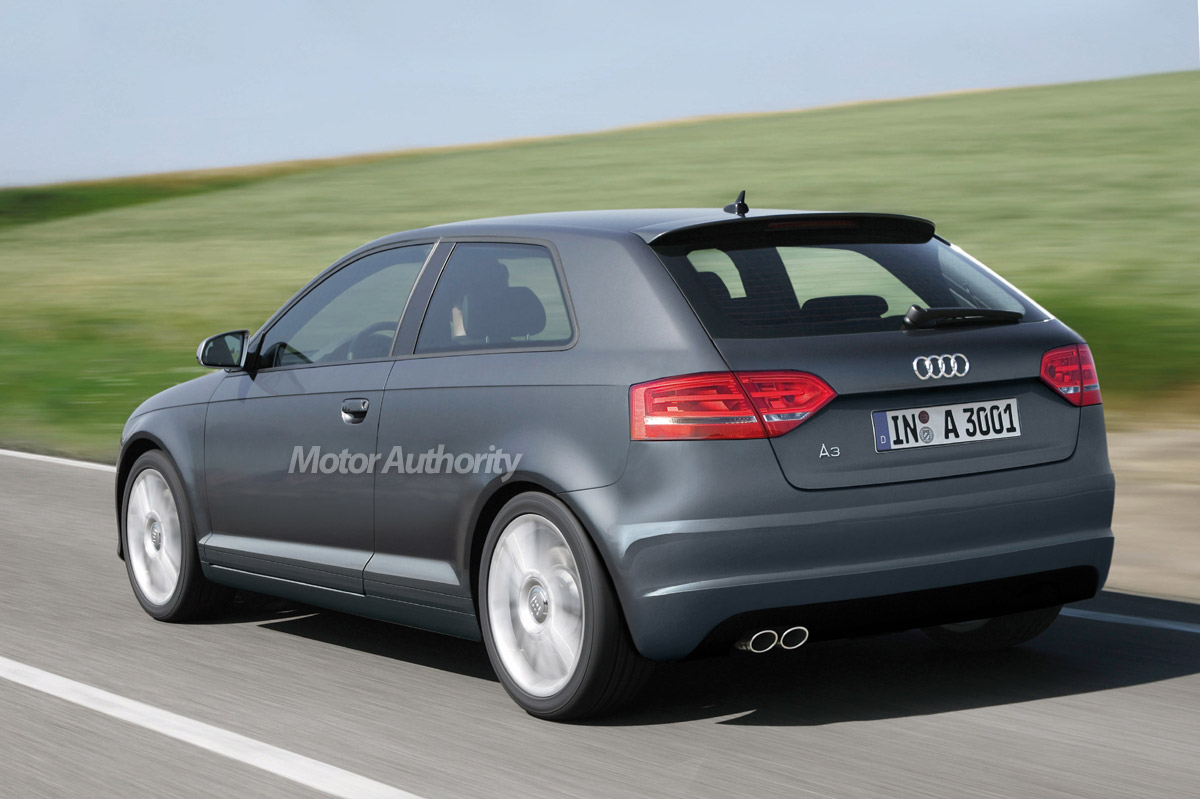
In 2003 the Geneva Motor Show was where, Audi unveiled the updated second-generation of Audi A3, the Typ 8P, designed by Walter de'Silva. Initially launched as a three-door hatchback with a four cylinder engines, featuring a new automobile platform ( PQ35 platform), a new more spacious interior, new larger petrol engines with Fuel Stratified Injection (FSI), and standard six-speed manual gearboxes (excluding the base 1.6 model).

The summer of 2003, saw the arrival of two sports-influenced models, the 2.0 Turbo-FSI version rated 200 PS (147 kW; 197 hp), and a huge 3.2 VR6 engine (for the first time) with 250 PS (184 kW; 247 hp). Haldex Traction-based quattro on-demand four wheel drive, and the S-Tronic semi-automatic gearbox were introduced as options (quattro is standard on the VR6) on every model with engine over 140 PS (103 kW; 138 hp).

The five-door Audi A3 Sportback model arrived in mid 2004. Audi A3 Sportback has a body that is s 80 mm (3 inchs) longer than the base three-door body, also benefits from improved rear interior space and a much larger rear luggage compartment (370 litres). It also was the first Audi A3 to get the "single frame" front grille that was originally on the Audi A8, Due to the rave reviews and the positive response